
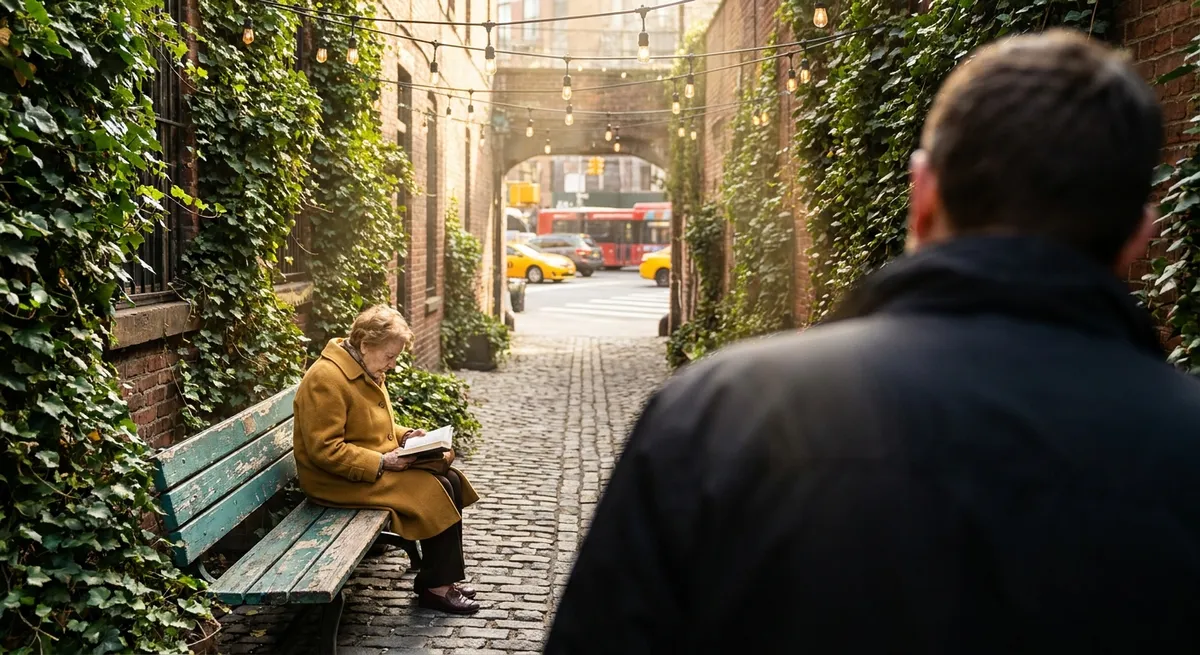
The best city escapes rarely shout; they murmur. They’re not the landmarks printed on postcards, but the in–between places: the staircase everyone ignores, the tram that no local recommends, the café that feels like a living room you haven’t moved into yet. This is a story about slipping between those cracks—about five city experiences that feel less like sightseeing and more like stumbling into another version of your life.
These aren’t instructions as much as invitations. Think of them as doorways you can look for in almost any city—whether you’re walking through Seoul, Lisbon, Chicago, or a place that hasn’t met you yet.
1. Dawn on the Edge of the City: Where the Streets Are Still Asleep
Every city has a moment when it forgets to perform. It happens just before sunrise, when the last of the nightlife is shuffling home and the first delivery trucks are yawning into gear. That’s when you go walking.
Imagine this: you step out before the sky has made up its mind about the day. The streets are washed in that blue-gray light that makes everything look like it’s remembering an old photograph. Neon signs are still humming, but the windows above them are dark and quiet. A bar’s chalkboard from last night still promises “LIVE MUSIC” to an empty sidewalk.
Pick a direction that leads you toward the edge of the city—toward a river, a harbor, a hillside, or just a long, straight avenue that runs out of skyscrapers and into sky. Don’t rush. This isn’t exercise; it’s eavesdropping on a city’s unguarded thoughts.
You might pass a bakery where the first trays of bread are sliding into the oven, the air thick with yeast and warmth. A bus driver leans against the door of his vehicle, sipping coffee from a paper cup, watching the horizon like he’s waiting for his cue. Joggers appear, threaded with headphones and purpose, cutting through the stillness like early punctuation.
The city you meet at dawn isn’t the one in the guidebooks. It’s gentler, more tentative—like it’s trying on the idea of another day and checking if it still fits. When the sun finally breaks properly and the traffic starts to snarl, you’ll feel it: that quiet satisfaction of having seen something others slept through.
Tip: Search maps for “waterfront promenade,” “overlook,” or “city viewpoint,” then time your route so you arrive there right as the sun rises. It turns a random early morning into a memory you’ll still feel years later.
2. The Tram That Goes Too Far: Choosing the Long Way on Purpose
Most people ride public transit to get somewhere. A city escape begins when you ride it just to see what happens.
Find the oldest tram, streetcar, or bus line still inching its way across the city—often the one that locals describe with a fond sigh and a rolled eye. Buy a ticket to the end of the line, and this time, don’t get off where everybody else does. Stay seated as the city’s confidence quietly peels away.
At first, the buildings outside your window are the glossy, brochure-ready ones. They’ve learned how to be photographed; they’re used to attention. Then the facades soften. Glass turns into brick, then plaster, then the occasional exposed concrete patched like an old coat. Laundromats appear. Auto repair shops bloom at intersections like metal-petaled flowers.
You pass schoolyards where kids are already bargaining over snacks, balconies with plants someone clearly talks to, little grocery stores with crooked hand-written signs. At some point, the language of the city shifts—from tourist menus back to local shorthand. You don’t understand every word, but you understand everything that matters: the rhythm of people who live here, not just pass through.
When the driver finally stops, kills the engine, and takes a breath that says “end of the line,” you step out into a part of the city that didn’t expect you. Don’t treat it like an exhibit. Walk like you’re visiting a friend who just happens to live here. Buy something small from a local shop—fruit, a pastry, a drink. Sit on a bench. Watch how people greet each other. Notice what’s on the noticeboards: language schools, guitar lessons, missing cats, community meetings.
Later, when you ride the tram back into the center, the landmarks look different. They’re no longer the whole story, just one chapter in a much bigger book.
Tip: Look up “historic tram routes” or “oldest bus line” for your destination city. Many transportation websites and travel forums mention routes locals love or complain about—those are usually the most revealing ones.
3. Rooftop Refuge: Finding Sky Above the Noise
In dense cities, escape isn’t always horizontal—it’s vertical.
Rooftops are where cities let their shoulders drop. Not the glamorous, reservation-only rooftop bars perched above financial districts, but the unofficial viewing decks: the parking garage top floor, the community center terrace, the library balcony, the cheap café on the sixth floor with plastic chairs and a surprising view.
There’s a special kind of calm that comes from looking down on the places that overwhelm you at eye level. From above, honking traffic turns into a patient river of color. Parked scooters line up like toy soldiers. People crossing the street become part of a slow-moving pattern, like pieces in a quiet choreography no one fully controls.
Find one of these rooftop refuges near the beating heart of the city. Climb until your legs complain a little. Step out into the wind that always seems stronger up there. Maybe you brought a notebook, a book, or nothing at all. That’s fine. Your only job is to do what the skyscrapers do all day: just exist above it all for a few minutes.
If you’re lucky, you find a place where locals come to breathe, too: teenagers sharing snacks and secrets, an office worker scrolling through their phone with a half-finished iced coffee, someone stretching after a run. These strangers become your temporary neighbors in elevation.
Stay until something changes—the light, the mood, the weather. Maybe the sun slides behind a building and the city’s electric glow takes over. Maybe clouds roll in and wash the scene in gray. When you eventually ride the elevator or walk the stairs back down, you’re returning with a souvenir you never bought: a mental map of the city that includes its hidden layers of sky.
Tip: Search terms like “public rooftop,” “viewing deck,” “parking garage view,” or “library terrace” along with the city name. Sometimes the best viewpoints aren’t marketed at all—they’re just quietly waiting overhead.
4. One-Table Adventures: Becoming a Regular for Just One Night
There’s a moment in travel when you realize you’re not hungry for food—you’re hungry for a feeling. That feeling usually waits at the kind of place that doesn’t look special until you sit down.
Walk away from the restaurant rows with laminated menus and multilingual staff on the sidewalk. Turn down a side street, then another. Look for somewhere that seems almost too small to bother with: four tables, maybe five. A chalkboard menu that’s already half-erased. Soft music that sounds like it’s chosen for the staff, not the customers.
Step inside like you’ve been here before. Don’t apologize for not knowing the language perfectly; most of the conversation that matters won’t need many words. Ask for a recommendation, then commit to it. When your plate arrives, don’t rush to photograph it (though you might after the first bite). Let yourself taste the city the way people taste it when they’re not trying to remember it later.
Watch the room: the way the owner greets a solo diner with a nod that says, “You again,” even if it’s their first time. The way a family shares dishes without counting bites. The way a server lingers half a second longer at a table where someone looks like they’ve had a day.
If you stay long enough, something small but important might happen: you’ll be drawn into the story. Someone will ask where you’re from. You’ll compliment a dish and get a tiny extra serving “to try this one too.” You’ll hear laughter you don’t fully follow and find yourself laughing anyway.
For one evening, you are not “the tourist at table three.” You’re just another person in the room—another heartbeat in the warm, clinking, gently chaotic rhythm of a city night.
Tip: Walk a few blocks beyond the busiest areas and look for spots where the menu isn’t translated, or where most of the customers clearly know the staff. Those places tend to be more about community than performance—and that’s where the real stories are simmering.
5. The Museum of the Everyday: Reading a City Through Its Small Things
Everyone knows about the big museums. They’re important, they’re impressive—and once you’ve filed past the third masterpiece of the day, they can also blur together.
City escapes live in the quieter collections.
Search for the small museums and odd archives: the tram museum housed in an old depot, the postage stamp gallery tucked above a post office, the neighborhood history room at the local library, the tiny exhibition about the city’s first radio station or favorite poet. These places are rarely crowded. Sometimes you’ll be the only one there, alone with a curator who loves this subject more than some people love their own birthdays.
Here, exhibits aren’t just objects; they’re clues.
A row of old tram tickets tells you how far people used to be able to travel on a single coin—and how that changed their lives. A faded festival poster from the 1970s hints at what people dreamed about, argued over, celebrated. A reconstructed one-room apartment shows how families used to fit entire lives into spaces smaller than a current-day living room.
In these museums of the everyday, you meet the version of the city that existed before Instagram ever noticed it. You see handwritten signs, worn shoes, tools polished by years of use. You might listen to audio clips of voices from decades ago, talking about the same streets you just walked down, but with different names and different burdens.
When you step back outside, the city feels thicker with time. A random alley suddenly seems like it remembers things. The tram line you took earlier looks like it has chapters. That café on the corner no longer feels new; it feels like the latest paragraph in a very long story.
Tip: Add “local history museum,” “city archive,” “transport museum,” or “neighborhood museum” to your map search. Admission is often cheap or free, and the payoff in understanding is wildly outsized.
Conclusion
City escapes aren’t always about leaving the city; often, they’re about slipping into the version of it that most people walk past. The dawn streets, the end-of-the-line tram stops, the overlooked rooftops, the one-room restaurants, the museums of ordinary life—all of them are invitations to rewrite your relationship with a place.
You don’t need a perfect itinerary, just a different kind of question: not “What should I see?” but “Where does this city stop pretending and start being itself?” Once you start looking that way, every block becomes a possibility, every bus route a story, every doorway a potential beginning.
The next time you land in a new city—or wake up in your own—try one of these escapes. Not to collect more sights, but to collect more selves: the version of you who walks before dawn, who rides to the end, who climbs up for air, who becomes a regular for an evening, who reads the city through its smallest treasures. Those are the pieces of travel that follow you home and quietly rearrange the map of who you are.
Sources
- UNWTO – Urban Tourism Overview – Background on how travelers are increasingly seeking authentic, local city experiences
- Lonely Planet: How to Travel Like a Local in Any City – Practical insights on moving beyond major attractions and engaging with everyday urban life
- National Geographic: The Transformative Power of Travel – Explores how immersive travel and small, mindful experiences can change perspectives
- BBC Travel: The Joy of Getting Lost in a City – A narrative look at wandering, serendipity, and discovery in urban environments
- NYC Official Guide – Off the Beaten Path Neighborhoods – Example of how large cities encourage visitors to explore lesser-known areas and local stories